
English


Views: 0 Author: Site Editor Publish Time: 2026-10-06 Origin: Site


Cooking stuffed, frozen dough presents a distinct thermodynamic challenge. You must ensure the frozen core reaches a safe, palatable temperature before the exterior starch matrix dissolves or ruptures. When preparing Boiled glutinous rice dumplings at scale or for immediate service, operators must balance rapid heat transfer with the structural integrity of the delicate wrapper. Standard continuous boiling often results in wrapper failure or gummy textures. The rapid expansion of internal gases combined with violent water agitation easily tears the starch exterior.
This guide evaluates the standard operating procedures for cooking these dumplings directly from a frozen state. We analyze the thermal shock method, lid dynamics, water-to-mass ratios, and the variable impacts of different fillings. Mastering these elements ensures consistent, high-quality outcomes without product loss. You will learn how to manipulate water temperature and ambient steam to achieve a fully gelatinized wrapper and a perfectly thawed, hot center.
Thermal Gradient Management: Utilizing the "cold water shock" method regulates the external water temperature, allowing the frozen interior to thaw and cook without over-gelatinizing the exterior wrapper.
Starch Gelatinization: Glutinous rice flour (high in amylopectin) cooks rapidly; the physical indicator of readiness is buoyancy (floating), followed by a controlled simmer.
Mechanical Handling: Agitation must be strictly controlled; utilizing the back of a spoon prevents mechanical tearing of the delicate wrapper during the initial boil.
Filling Variables: High-lipid interiors (like black sesame) liquefy and retain heat differently than dense, low-moisture fillings, requiring precise timing adjustments.
Batch Scalability: Successful high-volume preparation requires strict adherence to water-to-dumpling ratios to prevent ambient temperature drops and agglutination.
A successfully boiled dumpling must exhibit a fully gelatinized, structurally intact wrapper. It needs a uniformly heated, liquefied, or fully thawed center. You achieve this in an optimal 7 to 10-minute window directly from a frozen state. Hitting this precise window requires understanding how heat moves through frozen starch and lipid-based fillings. If the exterior cooks too fast, it dissolves into the water. If it cooks too slowly, the dumpling absorbs excess moisture and loses its structural integrity.
Glutinous rice flour behaves differently than standard wheat flour. It contains exceptionally high levels of amylopectin. This highly branched starch molecule absorbs water and gelatinizes at lower temperatures, typically beginning around 140°F to 158°F. It also cooks at a much faster rate. When you drop a frozen dumpling into boiling water, the extreme temperature differential creates an immediate thermal shock.
The frozen state of the dough initially resists heat penetration. Ice crystals form a thermal barrier. If you apply an aggressive, rolling boil, the exterior starch matrix gelatinizes and then rapidly degrades before the core even begins to thaw. The violent mechanical action of boiling water further weakens the wrapper. You need sustained, moderate heat application rather than maximum thermal output. The goal is coaxing the heat through the wrapper without destroying the exterior surface.
Let us look at the specific stages of starch gelatinization in this context:
Initial Hydration: The outer layer of the frozen dough contacts boiling water and immediately begins absorbing moisture.
Surface Gelatinization: The outermost starch molecules swell and burst, forming a sticky, protective seal around the dumpling.
Thermal Penetration: Heat slowly moves past the gelatinized barrier into the frozen core, melting ice crystals.
Core Thawing: The internal filling transitions from a solid block of ice to a cold paste.
Final Heating: The filling reaches serving temperature, expanding slightly and pushing against the cooked wrapper.
Floating serves as a primary visual indicator during the cooking process. As the internal temperature of the dumpling rises, trapped air and moisture inside the filling begin to expand. This thermal expansion decreases the overall density of the dumpling relative to the surrounding water. Once the density drops sufficiently, the dumpling rises to the surface.
Operators often misinterpret this buoyancy. Floating indicates structural thawing and initial wrapper gelatinization. It does not mean the filling has reached the proper serving temperature. Removing the product immediately upon floating usually results in a cold or partially frozen core. The floating phase marks the transition from the initial boil to the simmering phase. Here, the internal filling completes its cooking cycle.
You must also watch for false buoyancy. Sometimes air pockets trapped during the manufacturing process cause premature floating. You must verify the float by observing the expansion of the dumpling. A properly cooked dumpling swells by about 10% to 15% of its original volume. If it floats but remains exactly the same size as when frozen, the core is still solid ice.
Controlling the cooking environment requires specific interventions. You cannot simply drop frozen dough into boiling water and walk away. The following methodologies provide the necessary thermal control to protect the wrapper while thoroughly heating the filling.
The thermal shock method remains the industry standard for cooking stuffed glutinous rice products. You begin by introducing the frozen dumplings to rapidly boiling water. You wait for the initial float. Once they rise to the surface, you allow them to simmer for one to two minutes. At this precise moment, you add a specific volume of cold water to the pot. Typically, one-quarter to one-half cup of cold water suffices to drop the ambient temperature of the boiling bath.
This cold water addition immediately pauses the exterior gelatinization process. The water temperature drops below the aggressive boiling point but remains hot enough to continue transferring heat to the frozen core. This prevents the wrapper from disintegrating or turning mucilaginous. As the water slowly returns to a boil, the core finishes thawing. Operators often repeat this cycle one or two times, depending on the size and density of the dumpling. This step-down heating approach guarantees a cooked center and an intact, chewy exterior.
Here is a standard thermal shock sequence for a commercial kitchen:
Bring 4 liters of water to a rolling boil (212°F).
Drop in 500 grams of frozen dumplings.
Stir gently with the back of a ladle to prevent sticking.
Wait for the dumplings to float to the surface.
Pour in 120 milliliters of cold tap water.
Wait for the water to return to a gentle simmer.
Repeat the cold water addition if the dumplings are exceptionally large.
Troubleshooting the thermal shock method requires attention to water behavior. If the water stops boiling completely and takes more than three minutes to recover, you added too much cold water. Reduce the volume on the next cycle. If the dumplings sink after adding cold water, do not panic. This is normal. The sudden temperature drop condenses internal gases slightly. They will float again as the water reheats. If the wrapper looks frayed before you even add the cold water, the initial boil was too violent. Lower the heat slightly during the first phase.
Managing the pot lid dictates how ambient steam interacts with the dumplings. Traditional culinary practice dictates keeping the lid on for the filling and the lid off for the wrapper. When you first drop the frozen product into the water, covering the pot traps steam. This increases the ambient pressure and temperature above the water line, accelerating the thawing of the frozen core.
Once the dumplings float to the surface, they become exposed to the environment above the water. If you leave the lid on at this stage, the trapped steam superheats the exposed wrapper. The starch will quickly overcook and turn to mush. Therefore, you must remove the lid once buoyancy is achieved. This allows evaporative cooling at the surface of the water, protecting the delicate starch matrix while the submerged portion continues to absorb heat.
Maintaining a continuous rolling boil introduces extreme mechanical agitation. The violent bubbling causes physical trauma to the wrapper. The dumplings crash into each other and the sides of the vessel. This inevitably leads to structural failure, blowouts, and filling leakage. A ruined wrapper compromises the entire dish, clouding the cooking water and losing the filling.
A continuous simmer provides a safer alternative. By maintaining a sub-boiling temperature around 190°F to 200°F, you gently cook the dumplings. This approach reduces mechanical stress. It often eliminates the need for repeated cold water additions, though it requires highly precise temperature control equipment. Commercial pasta cookers or dedicated dumpling boilers with thermostatic controls are ideal for maintaining a continuous simmer. These units circulate water gently without the violent bubbling of a stovetop pot. For manual stovetop operations, the cold water shock method is generally easier to execute consistently than holding a perfect simmer.
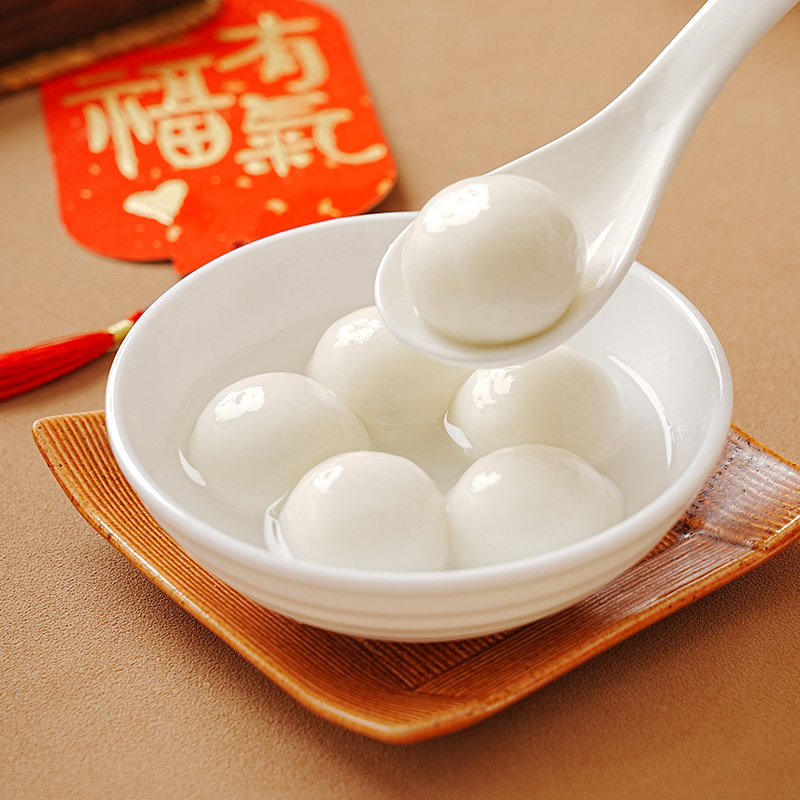
Not all frozen dumplings cook at the same rate. The composition of the filling and the specific grain ratio of the wrapper significantly alter the required thermal dynamics. You must adjust your cooking times based on these specific variables.
High-lipid fillings require distinct handling protocols. black sesame rice balls contain a high fat content, typically utilizing lard, butter, or coconut oil to achieve a flowing texture. You must heat the core to a specific melting point to achieve this desired fluid state. Once the internal fat melts, it conducts heat very efficiently. This accelerates the final cooking phase. If you boil them too long after the fat melts, the internal pressure will spike, causing a blowout.
Conversely, nut filled rice balls feature denser, particulate fillings. They possess lower moisture content and different thermal conductivity. Heat moves slower through crushed peanuts or walnuts than through melted fat. These denser fillings typically require an additional one to two minutes of simmering post-float to ensure the center is completely hot and palatable.
Standard white glutinous rice wrappers behave differently than wrappers utilizing alternative grains. For instance, millet glutinous rice balls incorporate different starch profiles. The inclusion of millet alters the overall amylose-to-amylopectin ratio of the dough.
This alteration slightly increases the required boiling time. Millet starch takes longer to hydrate and gelatinize than pure glutinous rice starch. However, it also alters the structural tensile strength of the wrapper. Millet-blended wrappers are often slightly more resilient to mechanical agitation in the water, reducing the risk of tearing, but they require patience to achieve the correct chewy texture.
The origin and freezing method of the product dictate the cooking approach. Mass-produced commercial frozen tangyuan feature highly uniform wrappers. Manufacturing facilities flash-freeze these products at extremely low temperatures. This minimizes ice crystal formation, protecting the cellular structure of the dough. Consequently, commercial products offer highly predictable cooking times and structural reliability.
Handmade frozen dumplings sourced from local restaurants present different challenges. They often feature thicker, less uniform wrappers. They usually undergo slower freezing times in standard commercial freezers, leading to larger ice crystal formation. These larger crystals can create micro-tears in the dough. Handmade varieties require a gentler simmer and slightly extended cooking times. You must ensure the thicker dough folds fully gelatinize without the thinner sections of the exterior dissolving into the water.
Comparison of Dumpling Variables and Cooking Adjustments | |||
Variable Type | Characteristics | Thermal Conductivity | Required Cooking Adjustment |
|---|---|---|---|
Black Sesame Filling | High lipid content, fluid when hot | High (once melted) | Strict post-float timing to prevent pressure blowouts. |
Nut/Seed Filling | Dense particulate, low moisture | Low | Add 1-2 minutes extra simmer time post-float. |
Millet Wrapper | Altered amylose/amylopectin ratio | Moderate | Slightly longer initial boil; higher tensile strength. |
Handmade/Restaurant | Uneven wrapper thickness, slow frozen | Variable | Gentler simmer required; avoid aggressive rolling boils entirely. |
Transitioning from cooking a single portion to preparing large batches for commercial service introduces new variables. Temperature recovery times and physical crowding become primary concerns. You must manage the physical space within the cooking vessel to prevent product loss.
Batch cooking requires strict adherence to established baseline metrics. You must maintain a minimum ratio of 4:1 (water volume to dumpling mass). Dropping a large volume of frozen mass into boiling water causes an immediate and severe temperature drop. If the ratio is too low, the water temperature plummets and takes too long to recover. Commercial burners must output sufficient BTUs to bring the water back to a boil within three minutes.
Overcrowding significantly impacts this recovery time. If the water takes more than three minutes to return to a boil, the wrappers sit in tepid water. They begin to hydrate improperly, leading to structural breakdown, agglutination, and gummy textures. Always use the largest possible vessel and heat the water to a rapid, rolling boil before introducing the frozen batch.
Frozen dough naturally wants to stick to hot metal surfaces and to other pieces of dough. Mechanical mitigation strategies are essential to prevent agglutination. You must utilize a gentle vortex motion in the water immediately upon dropping the frozen product. Swirling the water creates a current that keeps the dumplings moving, preventing adherence to the kettle base.
The tool you use matters immensely. Specify stirring gently with the convex side (the back) of a large spoon or ladle. Pushing the water with the back of the spoon prevents the sharp edges of the utensil from snagging and tearing the fragile starch matrix before it sets. Never use tongs or slotted spatulas with sharp angles during the initial cooking phase. For high-volume operations, assess the use of non-stick commercial liners or specific kettle geometries with rounded bottoms to minimize product loss.
Once cooked, holding the dumplings for service requires specific environmental controls. Storing them in plain hot water causes them to bloat, over-hydrate, and eventually dissolve. The starch matrix continues to absorb water even off the heat.
You should hold them in a light sugar syrup at around 140°F. A 10% Brix solution creates enough osmotic pressure to prevent the dumplings from absorbing excess water. This syrup bath maintains the wrapper's integrity and chewy texture for up to two hours during active service. Never hold them in dry pans, as the starch will undergo rapid retrogradation, turning hard and unpalatable as it cools.
Even with standard operating procedures in place, operators face specific risks during execution. Understanding the physical causes of these failures allows you to implement immediate mitigation strategies.
Wrapper rupture is the most common failure point. This occurs due to aggressive boiling or extreme temperature differentials. As the internal filling heats up, gases expand. If the exterior wrapper is weakened by violent water agitation, the expanding internal pressure will breach the dough, leaking the filling into the water.
To mitigate this risk, enforce strict adherence to the cold water shock method. This controls the ambient temperature and slows the rapid expansion of internal gases. Utilize the back of the spoon for all stirring to prevent mechanical damage. Maintain a gentle simmer post-float. Never allow the water to return to a violent, rolling boil once the dumplings have surfaced.
Texture failures ruin the consumer experience. An undercooked center happens when operators remove the dumplings immediately upon floating, mistakenly believing buoyancy equals readiness. A gummy, dissolved exterior occurs when dumplings are left in hot water too long, especially with the lid on, trapping superheated steam against the starch.
Mitigate these texture issues by implementing a standardized timer protocol. Do not rely solely on visual cues. Enforce exactly two to three minutes of simmering after the dumplings float and the cold water is added. Manage lid removal appropriately. The lid must come off the moment the dumplings break the surface of the water to vent excess steam and allow evaporative cooling.
To optimize your cooking process and ensure consistent quality across all batches, implement the following immediate actions:
Calibrate your cooking vessels to maintain a strict 4:1 water-to-dumpling ratio, preventing severe temperature drops when adding frozen products.
Establish standardized timing protocols for the post-float simmer, adding 1 to 2 extra minutes for dense nut fillings compared to fluid lipid fillings.
Train all kitchen staff to use only the convex side of ladles for stirring to eliminate mechanical tearing of the starch wrappers.
Enforce strict lid management rules, requiring staff to remove pot lids the exact moment dumplings achieve buoyancy to stop exterior degradation.
A: Cooking typically takes 7 to 10 minutes directly from frozen. The exact time depends on the size of the dumpling and the filling type. You must boil them until they float, then simmer for an additional 2 to 3 minutes, often utilizing the cold water shock method to ensure the center is fully heated.
A: Adding cold water drops the ambient temperature of the boiling bath. This pauses the exterior starch from overcooking and dissolving while allowing the residual heat to continue thawing and cooking the frozen core. This thermal shock method prevents the delicate wrapper from breaking apart.
A: Start with the lid on to trap steam and accelerate the thawing of the frozen core. Once the dumplings float to the surface, you must remove the lid. Leaving the lid on after they float traps superheated steam, which will quickly turn the delicate starch wrappers into mush.
A: They are fully cooked when they have floated to the surface, slightly expanded in size, and have simmered for an additional 2 to 3 minutes. The wrapper should appear slightly translucent and feel soft yet chewy. The internal fat must be fully melted to achieve the correct fluid texture.
A: No, you should never thaw them before cooking. Thawing causes the glutinous rice flour to absorb condensation, making the dough sticky, structurally weak, and prone to tearing. Always cook them directly from a frozen state in a large volume of rapidly boiling water.
A: Bursting usually occurs due to an aggressive, rolling boil that physically damages the wrapper, or from overcooking. As the internal filling heats up, gases expand. If the water is boiling too violently, the mechanical stress combined with internal pressure will cause the starch matrix to rupture.
A: Create a gentle vortex in the boiling water before dropping them in. Immediately after adding them, stir gently using only the convex side (the back) of a large spoon or ladle. This pushes the water without allowing sharp utensil edges to snag and tear the fragile dough.

