
English


Views: 0 Author: Site Editor Publish Time: 2026-10-08 Origin: Site


Retail and commercial foodservice operations face a persistent daily bottleneck. Thawing frozen inventory before preparation drains time, consumes valuable prep space, and degrades product quality. Traditional frozen dough products suffer immensely during the thawing phase. As ambient temperatures rise, moisture migration causes structural collapse. This leads to soggy textures, unappealing presentations, and increased food waste. Ambient thawing also introduces severe compliance risks by pushing perishable items into the temperature danger zone.
Zero-thaw formulations offer a highly effective technical solution to these operational hurdles. Engineered to transition directly from commercial freezers to active steamers, ready-to-steam dim sum preserves product integrity perfectly. It streamlines retail workflows and foodservice operations simultaneously. You can serve premium, restaurant-quality items without the traditional prep hassle. This direct-to-cook approach eliminates the unpredictable variables associated with defrosting dough.
Zero-Thaw Prevents Structural Degradation: Steaming directly from frozen halts moisture migration, preventing the sogginess that typically ruins dough-based products.
Operational Efficiency & Deskilling: Eliminating the thawing phase reduces labor hours, minimizes prep space requirements, and allows operators to serve high-quality products without requiring specialized chefs.
Cold Chain Integrity: Keeping products frozen until the exact moment of preparation mitigates food safety risks and extends viable shelf life.
Retail Scalability: Stocking zero-thaw products allows retailers to offer premium, restaurant-quality frozen breakfast supply options that consumers can easily replicate at home using standard or modern appliances.
High-quality steamed products must meet strict textural and visual baselines. The exterior dough requires a firm, springy structure that resists tearing when handled with tongs. The internal crumb must display a fine, even cellular matrix. Fillings need distinct textures and appropriate moisture retention. Achieving these criteria consistently determines consumer satisfaction and repeat purchase rates in any retail environment.
Poorly handled frozen dough fails these criteria immediately. When operators thaw traditional products, the delicate balance of hydration and gluten strength collapses. The resulting product often emerges flat, dense, or overly chewy. Establishing a zero-thaw protocol ensures the product hits the plate exactly as the manufacturer intended. You bypass the most vulnerable stage of the dough's lifecycle entirely.
Freezing dough naturally creates internal ice crystals. The size and distribution of these crystals depend entirely on the freezing velocity at the manufacturing facility. During a slow ambient thaw in a kitchen, these ice crystals melt into free water. This water pools unevenly within the dough matrix. The localized pooling breaks down the gluten structure of a frozen steamed bun before it ever reaches the heat source.
Starch retrogradation further complicates the thawing process. As starches sit at refrigerated or ambient temperatures, they recrystallize and expel moisture. This creates a tough, stale texture even in unbaked products. Direct-to-steam methods bypass this degradation entirely. The intense, immediate heat flash-cooks the exterior surface.
This rapid surface gelatinization creates an immediate moisture barrier. It locks internal hydration in place while allowing the dough to expand uniformly. The structural integrity remains intact because the dough transitions from solid ice to cooked starch in minutes. You prevent the free water from destroying the cellular walls.
Commercial kitchens face strict regulatory oversight regarding food temperatures. Thawing products at room temperature violates core safety protocols. The exterior of the dough reaches the danger zone (40°F to 140°F) long before the frozen core thaws. This temperature disparity creates an ideal breeding ground for rapid bacterial growth.
Refrigerated thawing offers a safer alternative but requires massive space and foresight. Operators must dedicate premium cooler space to thawing racks 24 hours in advance. This complicates inventory management and increases the risk of cross-contamination. Juices from other stored items can easily compromise exposed dough on lower shelves.
Preparation Method | Structural Integrity | Food Safety Risk | Labor Requirement |
|---|---|---|---|
Ambient Thawing | Poor (High moisture pooling, collapsed gluten) | High (Extended time in danger zone) | Medium (Monitoring required) |
Refrigerated Thawing | Fair (Starch retrogradation occurs) | Low (Maintained below 40°F) | High (Rack management, 24hr prep) |
Zero-Thaw (Direct to Steam) | Excellent (Flash-cooked surface, locked hydration) | None (Bypasses danger zone entirely) | Low (Freezer to steamer directly) |
Zero-thaw protocols eliminate these compliance risks entirely. Products remain safely below 0°F until the exact moment of preparation. You remove the prep phase from the danger zone equation. Health inspectors look favorably upon direct-from-frozen workflows because they inherently limit pathogen exposure windows.
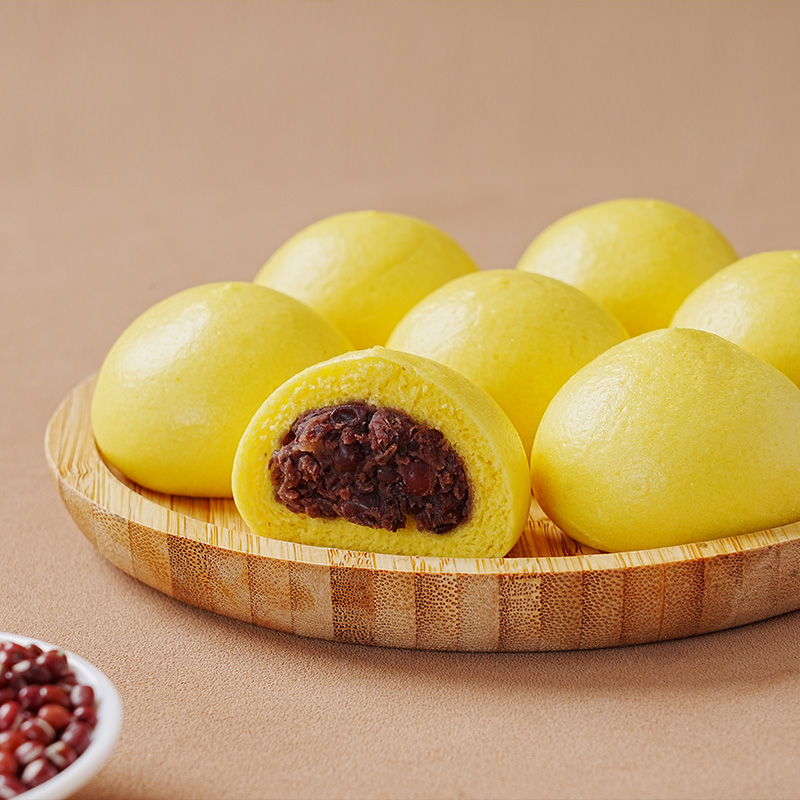
Not all frozen dough products are created equal. Standard frozen variants rely on traditional recipes simply placed in a blast chiller. These products inevitably require careful, monitored thawing to perform adequately. They lack the structural reinforcements needed to survive rapid thermal shock.
True ready-to-steam variants utilize highly specialized ingredient matrices. Manufacturers adjust protein levels, hydration ratios, and yeast activity to anticipate the direct-to-cook process. These formulations actively depend on the rapid expansion caused by steaming from frozen. Understanding this distinction helps buyers source the correct items for high-volume environments.
Individual Quick Freezing (IQF) technology serves as the backbone of zero-thaw success. IQF systems freeze products individually in a matter of minutes. This extreme velocity creates microscopic ice crystals rather than large, jagged ones. Micro-crystals preserve the delicate cellular structure of the dough.
When subjected to high heat, these micro-crystals convert to steam instantly. This internal steam assists in the leavening process, forcing the dough to expand uniformly. Formulations often include specific dough conditioners or modified starches. These ingredients stabilize the gluten network, allowing it to stretch without tearing under sudden thermal stress.
Yeast management also plays a critical role. Manufacturers partially proof the dough before the IQF process. They suspend the yeast activity at the precise moment of optimal cellular expansion. The final steaming process finishes the cook without requiring further biological leavening on site.
Fillings present a unique thermodynamic challenge during zero-thaw preparation. Sweet and savory fillings possess entirely different thermal masses and freezing points. High-sugar fillings freeze at lower temperatures and thaw more rapidly than protein-dense savory mixtures. Manufacturers must engineer the dough thickness to match the thermal transfer rate of the specific filling.
Dense fillings require precise freezing parameters. For example, a red bean paste bun holds cold temperatures significantly longer than an airy vegetable bun. The thick paste acts as an internal ice block. If the dough is too thin, the exterior overcooks before the core reaches safe consumption temperatures.
Conduct a baseline steam test using the manufacturer's exact recommended time.
Insert a calibrated probe thermometer directly into the geometric center of the filling immediately after removing it from the steamer.
Verify the core temperature reaches a minimum of 165°F (74°C).
Evaluate the exterior dough for gumminess or blowouts, which indicate an imbalance between the dough thickness and the filling's thermal mass.
Advanced formulations balance this thermal dynamic perfectly. They ensure the core reaches safe temperatures simultaneously with the exterior dough achieving optimal fluffiness. Buyers must test dense-filled items rigorously. Core temperature verification during the initial steam test separates premium suppliers from inferior ones.
Adopting zero-thaw products directly impacts the bottom line through sheer operational scalability. Kitchens can respond to sudden spikes in customer demand instantly. You no longer lose sales because you ran out of thawed inventory. Operators simply pull more product from the freezer and steam it on demand.
This flexibility drastically reduces end-of-day waste. Thawed dough that goes unsold usually ends up in the trash. Zero-thaw inventory remains perfectly preserved until an order is placed. You achieve near-zero shrinkage on high-value menu items, maximizing the return on your inventory investment.
Inventory management becomes significantly leaner when you eliminate secondary refrigerated storage. Facilities often struggle with limited cooler space. By keeping products in the freezer, you free up valuable refrigerated real estate for highly perishable produce or proteins. This simplifies facility logistics and reduces energy loads on overloaded coolers.
Retail freezer aisles also benefit from this stability. Stocking a reliable frozen breakfast supply ensures consistent product turnover. Consumers gravitate toward items that promise convenience without quality degradation. High turnover rates keep the freezer aisle profitable and dynamic.
Strict First-In-First-Out (FIFO) organization remains essential. While zero-thaw products boast extended shelf lives, prolonged freezer exposure eventually leads to freezer burn. Proper stock rotation maintains optimal freshness. Clear labeling and organized freezer shelving ensure staff pull the oldest inventory first.
Moving products directly from the freezer to the steamer saves countless labor hours weekly. Staff no longer spend shifts transferring trays, monitoring thaw times, or discarding compromised dough. This time savings allows management to reallocate labor to customer-facing tasks or final plating presentations.
Batch steaming efficiency improves dramatically. Operators can standardize an 8 to 12-minute steam time across multiple product lines. You can load a multi-tiered commercial steamer with different items simultaneously. As long as the thermal mass of the items is similar, they will finish cooking at the exact same time.
Deskilling the kitchen is perhaps the most significant operational advantage. Authentic dough preparation requires specialized culinary training and years of experience. Zero-thaw products empower non-culinary staff to execute complex menus flawlessly. New foodservice stalls can launch with minimal overhead, relying on standardized equipment rather than expensive specialized labor.
Modern consumers demand more than just convenience; they expect premium ingredients and health-conscious formulations. Retailers must align product specifications with these purchasing trends. Translating technical features into clear consumer outcomes drives sales. A clean-label ingredient list translates directly to consumer trust and brand loyalty.
Shoppers actively seek out products that fit specific dietary profiles. Highlighting features like zero artificial preservatives, natural colorants, or specific macronutrient profiles captures this demographic. When these premium features combine with zero-thaw convenience, the product becomes an anchor item in the consumer's weekly shopping basket.
Health-conscious consumers frequently request high-fiber alternatives to traditional white flour doughs. However, freezing and steaming whole grain doughs presents severe technical challenges. Bran and germ particles disrupt the gluten network. Whole grains also absorb significantly more water during the mixing phase, altering the freezing dynamics.
Modern ready-to-steam formulations solve this hydration issue through advanced milling and resting techniques. Manufacturers hydrate the bran fully before the IQF process. This prevents the grain from stealing moisture from the crumb during steaming. The result is a whole grain dim sum that remains light and fluffy, rather than dense and gritty.
The market demand for these high-fiber, clean-label options in retail environments continues to surge. Stocking these variants allows retailers to capture a health-focused demographic that typically avoids the frozen food aisle. It elevates the perception of the entire frozen category.
Retail brands live or die by the consumer's ability to replicate restaurant quality at home. Zero-thaw products inherently reduce user error. By removing the thawing step, you eliminate the most common point of failure for home cooks. Consistent success leads directly to higher repeat purchase rates.
Adapting to modern appliances is mandatory for retail packaging. Consumers increasingly rely on multi-cookers and pressure cookers rather than traditional bamboo steamers. Providing clear, multi-appliance instructions removes the guesswork. Detail exactly how to use an Instant Pot on high pressure for 7 minutes with a specific water volume to achieve foolproof results.
Packaging should also include visual cues for doneness. Simple instructions regarding dough bounce-back or internal temperature checks build consumer confidence. When the preparation is stress-free, the product transitions from a specialty purchase to a weekly staple.
Retailers can drive higher basket sizes through strategic cross-merchandising. Position ready-to-steam items alongside complementary products in the aisle. Endcap displays featuring frozen buns, premium soy sauces, chili crisps, and bamboo steamers create a complete meal solution for the shopper.
Themed displays based on occasions also perform well. Grouping items for a weekend brunch encourages shoppers to purchase multiple varieties. Combining sweet and savory options in a single promotional display introduces consumers to new flavor profiles they might otherwise ignore.
Transitioning to a zero-thaw operational model involves specific friction points. Staff accustomed to traditional thawing methods may resist the change or attempt to thaw products out of habit. Clear communication regarding the science behind direct-to-steam preparation is necessary to ensure compliance. You must rewrite standard operating procedures to reflect the new workflow.
Facility managers must also audit their current steamer capacity. High-volume zero-thaw operations require robust steam generation. Older equipment may struggle to recover temperature quickly when loaded with frozen mass. Identifying these equipment limitations early prevents service bottlenecks during peak hours.
Loading frozen items into a steamer causes an immediate drop in ambient temperature. If the steamer lacks sufficient power, the recovery time extends too long. This risks undercooking the core of dense items. Standardizing steamer pre-heating protocols is non-negotiable. The water must be at a rolling boil before any product enters the chamber.
Operators must adjust cook times accurately. Steaming from frozen typically requires adding 2 to 3 minutes to the standard fresh cook time. Timers must be used religiously. Guesswork leads to inconsistent core temperatures and potential food safety violations.
The dangers of overcooking are equally severe. Leaving items in the steamer too long causes the dough to become gummy and waterlogged. Excessive internal pressure can cause fillings to blow out through the dough wall. Emphasize the necessity of strictly following manufacturer timing to preserve product integrity.
Frozen dough inherently sticks to steamer baskets as the surface starches gelatinize. Tearing the bottom of the dough during removal ruins the presentation and leaks the filling. Addressing this common issue prevents unnecessary product loss and frustration during service.
Implement mandatory greasing protocols using a neutral oil on metal or bamboo surfaces.
Utilize perforated silicone-coated parchment liners to create a foolproof barrier that still allows steam penetration.
Enforce strict spacing guidelines, leaving at least one inch between frozen items to accommodate expansion during the cook cycle.
Adequate spacing within the steamer basket is critical. Frozen items expand significantly during cooking. If placed too closely together, they will fuse into a single mass. Staff must be trained on proper spacing guidelines to ensure even steam distribution and easy removal.
Zero-thaw products rely entirely on unbroken cold chain logistics. Any partial thawing during transit from the warehouse to retail freezer shelves compromises the cellular structure. If the product thaws and refreezes, large ice crystals form, destroying the dough matrix and causing severe freezer burn.
Strict temperature logging is mandatory upon receiving deliveries. Staff must verify that the core temperature of the delivery truck meets sub-zero requirements using calibrated infrared thermometers. Pallets cannot be left on loading docks; they must be transferred to holding freezers immediately to prevent surface thawing.
Evaluating supplier cold-chain logistics prior to procurement protects your inventory investment. Request documentation on their transit temperature protocols. Reliable manufacturing partners utilize advanced telematics to monitor trailer temperatures in real-time, ensuring the product arrives in pristine, zero-thaw condition.
Request detailed product specification sheets from shortlisted manufacturers to verify IQF certification and ingredient stability.
Conduct rigorous in-house steam tests to calibrate your specific equipment and confirm core temperature safety across different filling densities.
Review all cold-chain transit logs and telematics data with potential logistics partners to ensure inventory remains perfectly frozen during transit.
Update standard operating procedures and train kitchen staff on direct-to-steam workflows, emphasizing strict adherence to manufacturer timing.
A: Yes. Steaming directly from frozen is the recommended method to prevent the dough from becoming soggy and collapsing. This zero-thaw approach locks in hydration and preserves the intended texture perfectly.
A: Typically, steaming from frozen requires an additional 2 to 3 minutes compared to fresh preparation, bringing the total time to approximately 8 to 12 minutes depending on the product size.
A: Yes. Many modern formulations can be successfully prepared in an Instant Pot or pressure cooker, typically requiring about 7 minutes on high pressure. Always check the manufacturer's packaging for specific guidelines.
A: Always pre-heat the steamer, lightly grease the steaming surface, or use perforated parchment paper liners to create a barrier between the dough and the basket.
A: Products must be kept at a consistent sub-zero temperature (typically -18°C or 0°F) to prevent partial thawing and ice crystal formation. Implementing a strict FIFO (First-In-First-Out) system is also recommended to prevent freezer burn.
A: While the zero-thaw principle remains the same, whole grain doughs may require slight adjustments in steam time due to different density and moisture absorption rates; always follow manufacturer specifications to avoid overcooking.
A: Steam directly from frozen over rapidly boiling water. Because dense paste fillings retain cold longer than the surrounding dough, ensure the core reaches an internal temperature of at least 165°F (74°C).

